Is an Annual Covered Slip Worth It for Lake Anna Boaters?
Lake Anna Yacht Club ·
The short answer
An annual covered slip can be worth it when keeping your boat at Lake Anna would help you use it more often and make each outing simpler. Trailering can still be the better choice when you value flexibility, boat on several different waterways, or do not expect to visit often enough to justify a year-round home base.
The decision depends on the routine you want. Think through how frequently you boat, how much setup you will handle, whether your boat fits the slip and lift, and which conveniences matter to your family.
Start with how often you actually boat
Frequency is the clearest place to begin. If a Lake Anna day starts with loading the tow vehicle, driving to a ramp, launching, parking, and reversing the process later, every trip includes work beyond boating. Some owners enjoy that flexibility. Others find that it turns a short afternoon on the water into an all-day commitment.
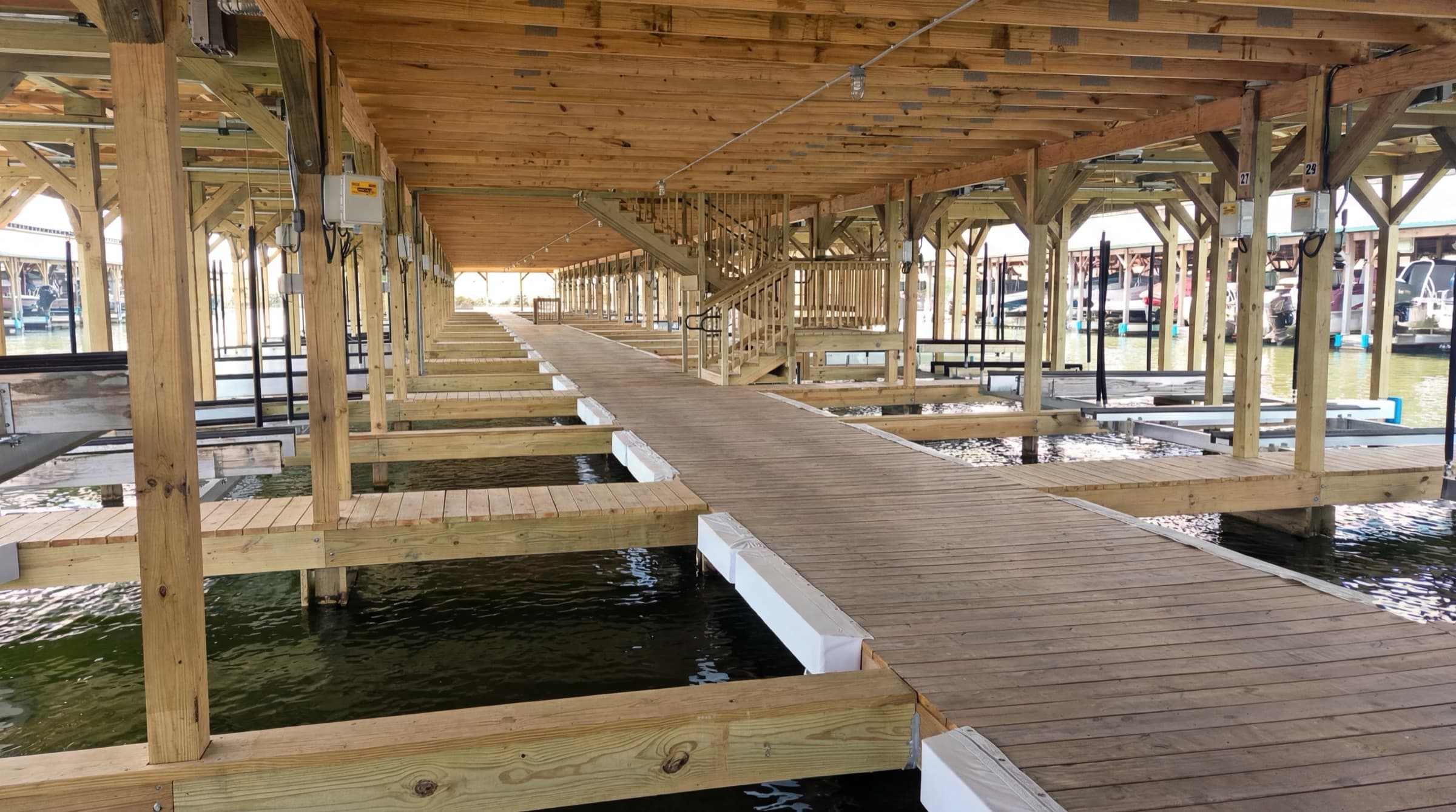
A slip changes the calculation because the boat is already at the lake. At Lake Anna Yacht Club, members have 24/7 gated keypad access, and each slip is covered and has a lift and secure storage. That does not remove every responsibility of boat ownership, but it can reduce the number of steps between arriving and getting underway.
- How many Lake Anna outings did you make last season?
- How many trips did you skip because launching and recovering felt like too much work?
- Would easier access make short evenings or half-days realistic?
- Do you prefer one dependable home base or the ability to move among waterways?
What changes when the boat stays at the lake
The practical value of a slip shows up in repeated small moments. Gear does not have to make every round trip when private storage is near the slip. Parking, restrooms, and showers can simplify days with children, guests, or coolers. Six dining options on the property provide options before or after boating without another drive.
Those conveniences matter differently to every owner. Someone who boats twice a season may see them as extras. Someone who wants to use the boat most weekends may see them as part of a routine that makes ownership more enjoyable. The useful question is not simply what amenities exist, but which recurring friction points they remove for you.
What a covered slip and lift do—and do not do
A covered slip and lift provide a protected place to keep a boat between outings. At LAYC, every slip is covered, has a lift, and includes secure storage. The marina also provides 20-amp service for battery tending and light electrical needs. These features can reduce routine weather exposure and help prepare for the next trip.
They do not eliminate normal ownership duties. Owners still need to follow manufacturer guidance, inspect equipment, maintain their boats, and respond appropriately to severe weather or changing conditions. Final fit also matters: LAYC can accommodate almost all boats up to 30 feet, but the office must confirm the right slip and lift for the specific boat.
When trailering may be the better fit
Trailering remains a sensible choice for many boaters. It lets you visit different lakes and rivers, keep the boat at home or another storage location, and avoid committing to one marina for the year. If you already have a reliable tow vehicle, convenient storage, and a launch routine you enjoy, the flexibility may outweigh the added steps.
It can also make sense when your Lake Anna use is occasional or uncertain. An annual slip is designed for an owner who wants a consistent home base, not transient or monthly dockage. If your plans may change significantly during the season, it is worth comparing that annual commitment with the flexibility you already have.
Five questions to answer before you choose
A useful comparison should include time, fit, access, and the full ownership routine—not just a single line item. Before asking for a quote, write down the answers to these questions and discuss them with everyone who regularly uses the boat.
- How often would we realistically use the boat if it were already at Lake Anna?
- What does launching, recovering, towing, and storing the boat currently require?
- Does our boat’s full length, including the motor or swim platform, fit the marina’s range?
- Would gated access, covered storage, private gear storage, parking, showers, and nearby dining improve our normal lake day?
- Do we want a long-term Lake Anna home base, or is moving the boat between destinations more important?
How Lake Anna Yacht Club fits the comparison
Lake Anna Yacht Club in Mineral, Virginia is built around annual covered-slip use. Slip sizes generally range from about 24 to 30 feet, and lifts can accommodate almost all boats up to 30 feet. Covered jet ski storage is also available by inquiry. Pricing and availability are confirmed by the office after the team reviews the boat’s year, make, model, and full length.
LAYC is not a transient marina, monthly dockage option, fuel dock, ramp, or repair facility. Nearby providers handle fuel, ramps, and outside service work. The club provides a covered annual home base with lifts, gated access, private storage, parking, and on-site amenities. That focus fits some owners better than others, so the boat and intended routine should be reviewed first.
Your next step
If an annual covered slip sounds closer to the boating routine you want, gather the boat year, make, model, and full length, including the motor or swim platform. Add any notes that could affect fit. The LAYC office can then confirm whether the boat matches an appropriate slip and lift, explain current availability, and provide pricing.
If you are still comparing options, estimate how often you expect to boat, list the steps in your current launch day, and decide how much you value a consistent home base. The right answer should support the way you actually want to use the boat.